Leave Your Message

Why Choose a Bedroom Dressing Table for Your Home?

A Bedroom Dressing Table can turn an overlooked corner into a practical daily ritual. It holds skincare, jewelry, brushes, and small personal items within easy reach. More importantly, it gives the bedroom a defined preparation zone. That separation can make rushed mornings feel calmer. Sometimes, the difference is only one drawer.

Market evidence supports the wider demand for purposeful bedroom furniture. Grand View Research’s 2024 global furniture report identifies personalization, compact designs, and multifunctional storage as important consumer trends. The Business Research Company also reports continuing growth in bedroom furniture, supported by urban living and changing home routines. These findings do not prove every bedroom needs a dressing table. They do show why adaptable pieces remain commercially relevant.

Interior designer and environmental psychologist Sally Augustin, PhD, writes, “The environment can affect how we think, feel, and behave.” Her observation offers a useful design principle. A well-placed Bedroom Dressing Table can support focus through better lighting, clear organization, and comfortable height. Choose a surface that fits your actual habits, not an imagined lifestyle. Measure the wall first. Check drawer depth. Leave enough space for movement. A mirror near natural light may improve visibility, although glare can become annoying. That detail is easy to miss.

There is also an honest limitation. A beautiful table cannot repair poor storage or an overcrowded room. Still, when its size, lighting, and materials suit the user, it can add function without sacrificing character. This article examines why that balance matters.
Why Choose a Bedroom Dressing Table for Your Home?

What Is a Bedroom Dressing Table?

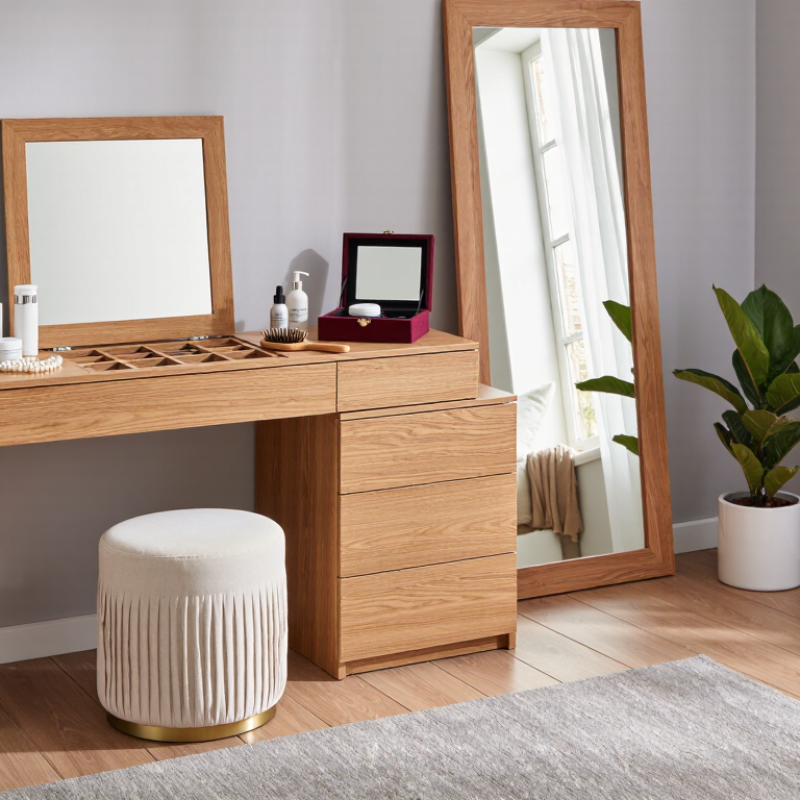
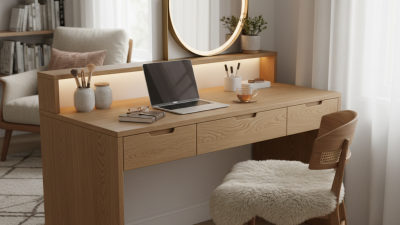
A bedroom dressing table is a compact piece of furniture for personal grooming and daily preparation. It usually combines a tabletop, mirror, drawers, or small compartments. Unlike a general desk, it keeps skincare, hair tools, jewelry, and cosmetics within easy reach. Its purpose is simple: create one organized place for getting ready.

In practical use, the table can make a bedroom feel calmer. A drawer prevents small items from spreading across the bed or windowsill. A well-placed mirror also helps you check clothing, hair, and accessories in natural light. Choose a sturdy surface with enough legroom. Measure the wall before buying. I once underestimated drawer depth, and the table looked attractive but stored very little. That mistake is easy to repeat.

Tips: Place the table near a window, but avoid direct sunlight on cosmetics. Use a small tray for everyday items. Keep heat-producing tools away from fabrics and wooden surfaces. Select warm, clear lighting for more accurate grooming. Leave some empty space; a crowded tabletop becomes difficult to clean. Think about seating height, too. A beautiful table is less useful when the stool feels uncomfortable. You may also need cable management if a lamp or hair tool is nearby. Check the finish regularly, because powder and moisture can quietly damage surfaces.

Why Choose a Bedroom Dressing Table for Your Home? - What Is a Bedroom Dressing Table?

Consideration Typical Information Why It Matters Suitable Home Use
Definition A bedroom dressing table is a compact piece of furniture with a tabletop, storage, and often a mirror for grooming and personal organization. It combines several daily functions in one dedicated area. Bedrooms, dressing rooms, guest rooms, and compact apartments.
Common Width Approximately 80–140 cm. The width determines how much countertop space is available for cosmetics, accessories, and a mirror. 80–100 cm for small rooms; 120–140 cm for shared or spacious bedrooms.
Common Depth Approximately 35–55 cm. A shallow depth saves floor space while still allowing useful storage. 35–45 cm for narrow bedrooms; 45–55 cm when more surface area is needed.
Typical Table Height Approximately 70–80 cm. This range generally supports comfortable seated grooming and writing. Use with a stool or chair whose seat height is usually about 40–48 cm.
Storage Options Drawers, open shelves, cabinets, lift-top compartments, or a combination of these. Separate compartments help keep cosmetics, jewelry, hair tools, and accessories organized. Choose drawers for small items and cabinets or shelves for taller products.
Mirror Types Fixed mirror, tilting mirror, tri-fold mirror, wall-mounted mirror, or no mirror. The mirror style affects viewing angle, storage space, and visual size. Tri-fold mirrors offer multiple angles; wall-mounted mirrors help preserve tabletop space.
Lighting Considerations Natural daylight is useful; adjustable task lighting is recommended for evening grooming. Even, shadow-reducing light improves visibility for makeup application and personal care. Place near a window where possible, while avoiding direct glare on the mirror.
Materials Common choices include solid wood, wood-based panels, metal, glass, and combinations of these materials. Material affects durability, maintenance, weight, appearance, and price. Use moisture-resistant, easy-clean surfaces for areas where cosmetics or liquids are handled.
Space Required Allow the table depth plus at least 75–90 cm of clear space in front for comfortable seating and movement. Adequate clearance prevents the furniture from obstructing circulation. Measure door swings, wardrobe access, and walking routes before installation.
Main Benefits Dedicated grooming area, improved organization, efficient use of space, and enhanced bedroom appearance. A defined personal-care zone can reduce countertop clutter elsewhere in the home. Especially useful for households that need organized daily routines.
Best Selection Criteria Room size, storage capacity, seating comfort, mirror arrangement, lighting, material quality, and overall style. Balancing these factors helps the dressing table remain practical and visually compatible with the bedroom. Select a size and layout that match both your daily habits and available floor area.

Note: Dimensions shown are typical residential ranges. Actual measurements vary by design and should be checked before purchase or installation.
Key Functions of a Bedroom Dressing Table

Why Choose a Bedroom Dressing Table for Your Home?

Key Functions of a Bedroom Dressing Table

A bedroom dressing table is more than a mirror and drawer unit. It creates a dedicated place for grooming, skincare, hair styling, and daily preparation. A seated surface keeps small products visible, while drawers protect jewelry, cosmetics, and cables from dust. Many furniture designers recommend a tabletop height of about 70–76 centimeters for comfortable seated use. Leave enough knee space underneath. Your morning routine feels less scattered.

The global bedroom furniture market was valued at approximately US$255 billion in 2023, according to Grand View Research. The report also forecasts continued growth through 2030. This demand reflects practical storage needs, not only decorative taste. A well-planned dressing table can separate personal care from sleeping space. It can also support better room organization. However, one table cannot solve every storage problem. Overfilling drawers quickly creates visual clutter.

Tips: Choose a mirror that matches your seated eye level. Add warm, shadow-reducing lighting beside the mirror. Use drawer dividers for rings, brushes, and daily skincare. Measure the walkway before buying; allow roughly 75 centimeters for comfortable movement. Keep electrical cables away from water and crowded surfaces. A small mistake matters. A beautiful table becomes inconvenient when its drawers hit the bed or its stool blocks the wardrobe.

Why Choose a Bedroom Dressing Table?

Key design dimensions that support grooming, storage, organization, and comfortable daily use.

A bedroom dressing table combines a dedicated grooming surface with accessible storage and a mirror zone. Typical residential design targets include a 72–76 cm tabletop height, 40–50 cm depth, approximately 50–70 cm of mirror height, and around 60 cm of legroom. These proportions help keep everyday items organized while supporting a comfortable seated grooming position.

Data basis: common residential furniture ergonomics and interior-design planning ranges; dimensions are shown in centimetres and are not brand-specific.

How to Choose the Right Dressing Table for Your Space

Why Choose a Bedroom Dressing Table for Your Home?

Choosing the right dressing table starts with your bedroom’s available space. Measure the wall, walking area, and nearby furniture before shopping. Leave at least 60 centimetres for comfortable movement. A narrow table suits compact rooms, while a wider design offers better storage and workspace. I have found that many people measure the tabletop but forget drawer clearance. That small mistake can make daily use frustrating.

Tips: Check the table’s height against your chair. Choose drawers for cosmetics and accessories. Keep electrical outlets nearby for lighting or hair tools. A mirror should show your face and shoulders without forcing you to lean forward. Natural light is useful, but direct sunlight may damage wooden surfaces and fade fabrics.

Materials also affect comfort and maintenance. Smooth finishes are easier to clean, especially around powders and skincare products. Solid construction matters because drawers receive frequent use. Look for stable legs, aligned handles, and drawers that open quietly. Storage should match your habits, not only the room’s appearance. If you own many small items, shallow compartments may work better than one deep drawer. I once preferred a beautiful minimalist table, but its limited storage created clutter within weeks. A practical choice may look less impressive at first.

Essential Features, Materials, and Storage Options

Why Choose a Bedroom Dressing Table for Your Home?

A bedroom dressing table can make daily routines calmer and more organized. In my experience, the best designs balance comfort, durability, and easy access. Choose a tabletop with enough depth for a mirror, lamp, and everyday products. Rounded edges feel safer in narrow bedrooms. A stable frame also prevents distracting movement while applying makeup or styling hair. Check the table height with your chair before buying. Small mismatches become uncomfortable quickly.

Material affects both appearance and maintenance. Solid wood offers strength and can develop character over time. Engineered wood is often more affordable and resists shape changes in stable indoor conditions. Metal frames add a lighter, modern structure, while glass surfaces need frequent cleaning. Moisture remains a concern. Keep the table away from damp walls and wipe spills promptly. I once chose a beautiful finish that showed every fingerprint. It looked less practical than expected.

Storage should match your real habits, not an imagined routine. Shallow drawers work well for brushes, jewelry, and small bottles. Deeper drawers can hold hair tools, but they need internal dividers. Open shelves keep frequently used items visible. Hidden compartments create a cleaner appearance, although forgotten products may collect there. A removable tray makes carrying items easier. Soft-close drawers reduce noise, but hardware quality still varies. Secure tall furniture to the wall, especially in homes with children or pets.

How to Maintain and Organize a Bedroom Dressing Table

A bedroom dressing table can make daily routines calmer when it has a clear purpose. In my experience, clutter usually gathers around the mirror, where cosmetics, jewelry, and hair tools compete for space. Keep daily items within reach, but store occasional products in a drawer or covered box. This simple separation reduces dust and saves time.

Clean the surface with a soft, slightly damp cloth, then dry it immediately. Moisture can damage wood finishes and leave marks around drawer edges. Use small containers for rings, clips, and brushes. A divided tray prevents tiny items from disappearing under larger objects. Check cosmetics regularly, and remove products that smell unusual or have changed texture. Expired items may irritate the skin.

Keep electrical tools unplugged and allow them to cool before storage. Do not push warm devices into a drawer. That habit is easy to forget. Leave a little empty space, because an overfilled drawer becomes difficult to inspect. Once a week, wipe the mirror and handles, then return every item to its assigned place. I sometimes keep too many “useful” products, so reviewing them honestly matters. A dressing table should support the routine, not become another task.