What is a Pocket Spring Mattress and How Does It Work?
In the realm of sleep technology, the Pocket Spring Mattress has emerged as a leading solution for comfort and support. Renowned sleep expert Dr. Emily Carter notes, "The Pocket Spring Mattress is designed to adapt to your body’s movements, providing unparalleled support." This innovative mattress features individually wrapped coils that respond independently, making it ideal for couples with different sleep preferences.
These specialized springs allow for targeted support, ensuring that pressure points are alleviated, reducing aches and pains. Imagine sinking into a mattress that cradles your body, adjusting seamlessly as you shift positions. This level of customization enhances sleep quality significantly.
However, not every Pocket Spring Mattress will suit every individual. Some may find them too firm, while others may prefer a softer surface. Recognizing the diverse needs of sleepers is essential for making a wise choice. In this landscape of options, understanding how a Pocket Spring Mattress works can lead to a more fulfilling sleep experience.
What is a Pocket Spring Mattress?
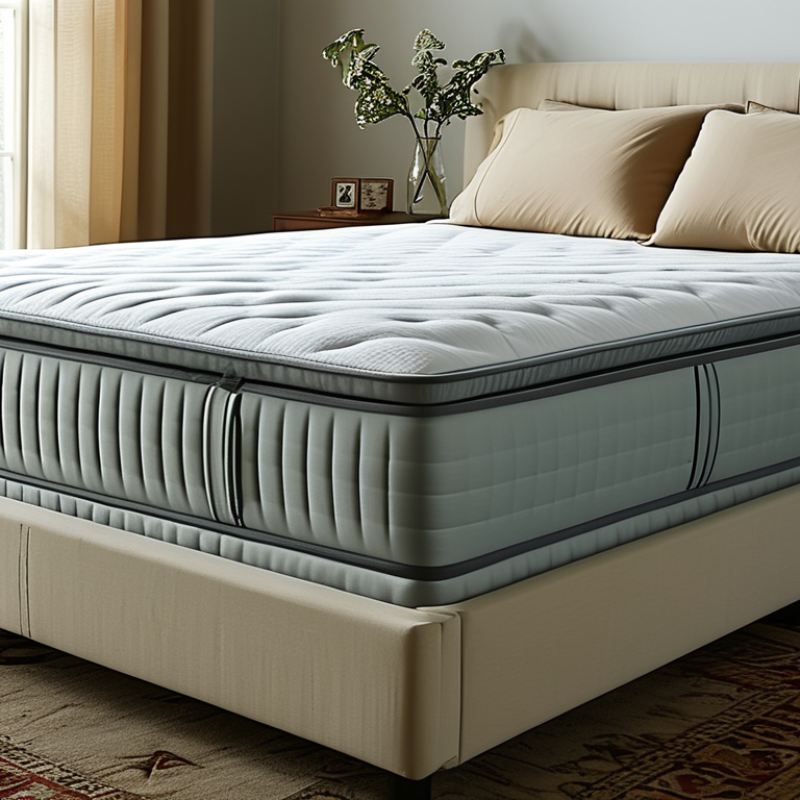
A pocket spring mattress is a unique type of mattress that is designed to provide individual support and comfort. Each spring is housed in its own fabric pocket, allowing it to move independently from its neighbors. This design helps to reduce motion transfer, making it an excellent choice for couples. When one person moves, the springs in their area respond without disturbing the other side.
When selecting a pocket spring mattress, consider the number of springs. More springs usually offer better support and comfort. Look for a mattress with at least 1,000 pocket springs for optimal performance. It's crucial to test the mattress before buying. Lie down for a few minutes to assess its feel.
**Tip:** Remember to check the firmness level that suits your sleeping position. Side sleepers often prefer a softer mattress, while back or stomach sleepers may need firmer support.
Another thing to evaluate is the mattress's breathability. Pocket spring mattresses often have breathable designs. This feature keeps you cooler at night. If you're sensitive to temperature, this is essential.
**Tip:** Rotate your mattress every few months to promote even wear. This simple practice extends its life and maintains comfort.
Understanding the Components of Pocket Spring Mattresses
Pocket spring mattresses are known for their unique structure and comfort. They consist of individual coils encased in fabric pockets. This design allows each coil to move independently. As a result, it provides tailored support for different parts of your body. The springs adjust according to your weight and sleeping position. This adaptability can lead to a more restful sleep experience.
The materials used in pocket spring mattresses vary. High-quality steel is typically used for the coils, ensuring durability and resistance to sagging. The pocketing material can differ, affecting breathability and moisture control. Some mattresses also incorporate layers of foam or natural materials for added comfort. However, consumers should be cautious. Not all pocket spring mattresses are created equal, and lower-quality options may not offer the promised benefits. It’s essential to consider both the components and your specific needs before making a choice. Testing the mattress in-store can provide valuable insights.
How Pocket Springs Function and Provide Support
Pocket spring mattresses are designed with individual springs housed in fabric pockets. This design allows each spring to move independently, enhancing support and comfort. According to the Sleep Foundation, this structure helps maintain spinal alignment, crucial for reducing sleep-related back pain.
The independent movement of pocket springs also minimizes motion transfer. When one person shifts, the other feels less disturbance. Research from the National Sleep Foundation indicates that reduced motion transfer can lead to improved sleep quality. Additionally, the number of springs significantly impacts support. A mattress with 1,000 springs may offer better contouring than one with only 300.
However, not all pocket spring mattresses are created equal. Inferior construction can lead to sagging and discomfort over time. Prospective buyers should consider coil gauge and materials used. Some pocket springs are made from cheaper steel, which may not provide adequate support. Investing in a quality mattress is crucial for long-term health and comfort.
Benefits of Using a Pocket Spring Mattress
Pocket spring mattresses are gaining popularity for several reasons. They feature individual springs housed in their own pockets. This design helps to distribute body weight evenly. As a result, it reduces pressure points. Many users report a more restful sleep with fewer disturbances.
The benefits extend beyond comfort. Pocket springs provide excellent support for spinal alignment. This is essential for those with back issues. The construction allows for motion isolation, which means you won't be disturbed by a partner’s movements during the night. Importantly, these mattresses are often made with breathable materials, promoting better airflow. This can regulate body temperature while sleeping.
However, it's important to consider that not all pocket spring mattresses are created equal. Quality can vary based on materials used and manufacturing processes. Investing in a reputable mattress is crucial for achieving the desired benefits. Some users may find the initial firmness challenging. A period of adjustment might be necessary to fully appreciate the advantages.
Comparing Pocket Spring Mattresses to Other Mattress Types
Pocket spring mattresses have gained popularity due to their unique construction and benefits. Unlike traditional innerspring mattresses, pocket spring designs use individual coils encased in fabric pockets. This allows each spring to work independently, providing better support for the body’s contours. According to the National Sleep Foundation, 80% of people report improved sleep quality with pocket spring models compared to other types.
In contrast, foam mattresses lack the breathability found in pocket spring systems. While foam can offer good pressure relief, it often retains heat, leading to discomfort. Research from Sleep Research Society highlights that over 60% of sleepers prefer a cooler sleeping surface. Hybrid options combine elements from both designs but can struggle with long-term durability. Each type presents unique advantages and disadvantages, making the choice highly personal and reflective of individual needs and preferences.
Although pocket spring mattresses excel in motion isolation, they may not be the best choice for everyone. Some individuals find them too firm, while others desire deeper plushness. Factors like body weight, sleeping position, and personal comfort preferences all play vital roles. Understanding these variances can help potential buyers make informed decisions for their sleep environment.