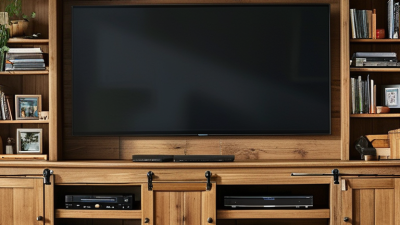
Choosing an Antique Tv Stand involves more than finding an attractive cabinet. The right piece should support your television, suit your room, and preserve its original character. A practical evaluation begins with measurements. Record the television’s width, depth, and weight before visiting a dealer or browsing online listings. Measure twice.
Look closely at the stand’s construction. Solid wood, dovetail joints, hand-cut details, aged hardware, and consistent wear can suggest genuine age. However, appearance alone proves little. Reproductions may imitate scratches, patina, and historical designs. Ask about provenance, restoration work, wood species, and previous repairs. Reliable sellers should answer clearly and provide photographs of joints, backs, drawers, and maker’s marks. When the history seems uncertain, an independent appraiser can offer a more objective opinion.
Safety also matters. Check for wobbling legs, weakened shelves, loose veneer, and unstable doors. An antique cabinet may need discreet reinforcement before holding modern equipment. Confirm that ventilation openings will prevent heat buildup, and plan cable routing without drilling into valuable original surfaces. A few flaws can add personality. Others may signal expensive structural problems. This distinction is easy to miss.
The best choice balances authenticity, function, condition, and budget. It should feel visually appropriate beside your sofa, yet remain convenient for daily viewing. Consider viewing height, remote access, storage, and future maintenance. A beautiful stand that blocks cables or strains under the television may disappoint. With careful research and realistic expectations, an Antique Tv Stand can become both a useful media cabinet and a meaningful piece of furniture.
How to Choose the Best Antique TV Stand?
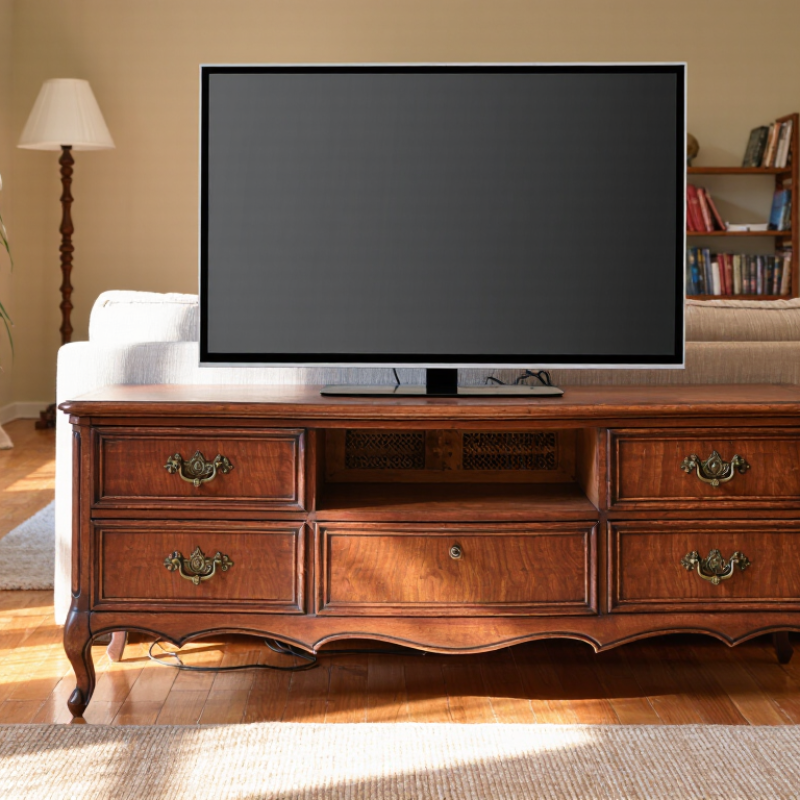
An antique TV stand should show age through materials, construction, and proportion. Look for solid wood, visible grain, hand-cut joints, and small variations in the finish. Machine-perfect surfaces can look attractive, but they may not reflect genuine older craftsmanship. I once inspected a cabinet with convincing scratches and new-looking joints. It taught me not to judge age from distress marks alone.
Useful features matter as much as appearance. The stand should support the television without bowing or rocking. Measure its width, depth, and height before buying. A broad top and reinforced corners improve stability. Open shelving allows airflow around electronic equipment. Rear openings should leave room for cables, plugs, and ventilation. Doors with old glass or woven panels can hide devices, but thick dust may collect inside.
Check drawers, hinges, handles, and locks carefully. Original hardware often has uneven wear, softened edges, and a consistent patina. Strong chemical odors may suggest recent refinishing. That is not automatically a problem, though it deserves questions about the restoration process. Inspect the underside and back panel, where repairs are easier to notice. Minor splits can be part of the cabinet’s history. Serious warping is different. It may affect safety and daily use. Antique furniture is rarely perfect, and I sometimes value an honest repair more than flawless polish.
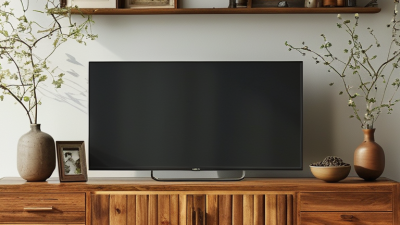
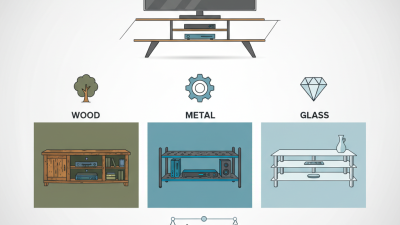
This practical selection chart rates the most important features on a five-point scale. A strong antique TV stand should combine stable construction, enough storage, safe ventilation, suitable proportions, and a finish that preserves its period character.
Choosing an antique TV stand begins with the television, not the woodwork. Measure the screen diagonally, then record its width, depth, and actual weight. Omdia’s 2024 television market analysis shows continued growth in large-screen shipments, especially models measuring 65 inches or more. That trend makes old, narrow cabinets riskier. Measure twice.
Place the television’s feet fully on the top surface, with no overhang near the front edge. Check the stand’s joints, back panel, and legs for looseness or wood damage. Do not guess. Compare the television’s listed weight with the stand’s verified load capacity, including speakers or decorative equipment. VESA mounting guidance can help confirm mounting patterns, but it does not prove that an antique cabinet can carry the load.
Storage needs require equal attention. Count the devices, cables, remotes, and game accessories you actually use. Leave ventilation space around receivers and streaming equipment; enclosed compartments can trap heat.
A useful field check is simple: place a small lamp or phone inside each compartment and inspect cable exits from the rear. The U.S. Consumer Product Safety Commission continues to report thousands of furniture and television tip-over injuries annually, so stability matters beyond appearance.
I once favored a beautiful cabinet with shallow shelves and regretted it after cables bent sharply behind the doors. Select deep compartments, broad feet, and a low center of gravity. Antique charm is valuable, but daily access and safe weight distribution matter more.
Choosing an antique TV stand begins with matching its historical character to your room, not chasing age alone. A Victorian cabinet often features dark walnut, carved legs, and framed doors. It suits rooms with traditional lighting and patterned textiles. A mid-century piece usually has clean lines, tapered legs, and warm teak or walnut veneer. Its simpler shape can balance a modern screen without looking confused. Keep the style honest.
Material inspection matters more than decorative charm. Solid wood shows varied grain, small movements, and sometimes old joinery, such as dovetails. Veneer is not automatically inferior, but lifted edges, bubbles, or swollen corners need careful attention. Check the back panel, door hinges, and underside with a flashlight. Original hardware may show uneven patina, while bright replacements can weaken the period feel. Still, historical purity is not everything.
For a television, stability and ventilation are essential. Measure the screen, stand depth, cable openings, and nearby wall clearance before buying. A heavy oak console may look impressive, yet closed compartments can trap heat. Choose open shelving or discreet ventilation gaps when equipment needs airflow. Test drawers and doors gently; resistance may signal warped wood, not quality. Avoid aggressive refinishing, because it can erase useful evidence of age. I sometimes prefer a repaired, slightly imperfect cabinet over a flawless reproduction. The decision is subjective, but documented repairs and stable construction make it more trustworthy.
Construction quality should be your first physical test. The USDA Forest Products Laboratory’s Wood Handbook reports that interior wood commonly reaches 6–8% moisture content in heated buildings. A stand with warped panels, open joints, or swollen veneer may have suffered poor storage. Press gently near each corner. Movement suggests loose joinery, not charming age. Examine the back, legs, and underside, where repairs are often less disguised. Solid timber, dovetail joints, and old hand-cut marks can indicate skilled construction, but they are not proof alone.
Condition requires balance. The U.S. Environmental Protection Agency recommends indoor humidity between 30% and 50%. Extreme dryness can split timber, while excess moisture encourages distortion and mold. Check drawers for stale odors, inspect veneer edges with a flashlight, and look for fresh filler around screw heads. I have seen attractive stands hide unstable feet; appearance can mislead. Minor scratches may be acceptable, but active cracks, insect holes, or weakened joints deserve professional assessment.
Tips: Ask for measurements, repair records, and clear photos of hidden surfaces. Compare wood grain across doors and side panels. For authenticity, seek consistent age, materials, hardware, and documented provenance. The International Council of Museums stresses that provenance supports an object’s identity, yet incomplete records do not automatically prove fraud. Avoid paying an antique premium for a reproduction with artificial aging. A qualified furniture conservator can inspect it before purchase.
Placement should begin with the television’s weight, width, and viewing height. Leave several centimeters behind the stand for ventilation and cable bends. A narrow base can make a heavy screen feel like a sail. The 2023 U.S. Consumer Product Safety Commission report recorded an estimated annual average of about 22,000 children treated for furniture and television tip-over injuries from 2018 to 2020. Therefore, inspect every joint, leg, and back panel before purchase. Secure the stand and television to a wall whenever practical, especially in homes with children or pets.
Safety also depends on the antique stand’s materials. Check for brittle veneer, loose screws, cracked castors, and hidden woodworm damage. Modern electronics may generate heat that the original cabinet never handled. Use ventilation openings, avoid covering power strips, and keep cables away from sharp metal edges. A professional conservator or qualified furniture appraiser can distinguish historic wear from structural weakness. I would not trust appearance alone.
Long-term value is less predictable than sellers suggest. The 2024 Houzz & Home Study reported a median U.S. renovation spend of $24,000, showing that homeowners invest heavily in durable interiors, but this does not guarantee antique resale growth. Value usually rests on documented age, original components, sound condition, and restrained repairs. Keep receipts, photographs, and any provenance records. Refinished surfaces may look cleaner, yet excessive restoration can reduce authenticity. That trade-off is easy to underestimate.
| Stand Type | Typical Size | Best Placement | Safety and Ventilation | Long-Term Value Factors | Maintenance Needs | Best Choice When... |
|---|---|---|---|---|---|---|
| Low Credenza | Approximately 120–180 cm wide and 45–60 cm high | Long living-room walls, media rooms, or beneath artwork mounted securely above the unit | A broad base offers good stability. Leave airflow around the television and avoid blocking rear vents or cable openings. | Strong demand for useful proportions, solid construction, original hardware, and attractive natural wood grain | Dust with a soft cloth; protect the top from heat, moisture, and heavy equipment that exceeds the structure’s capacity | You want the best balance of storage, stability, and everyday usability |
| Open Console Table | Approximately 100–160 cm wide and 70–90 cm high | Small rooms, open-plan spaces, or locations where the television needs to sit above floor level | Excellent airflow because the back is open. Use a stable, level surface and secure the television against tipping. | Versatile furniture can remain useful after a television upgrade; originality and sound joinery support desirability | Check joints, fasteners, and leg stability periodically; use coasters and felt pads where appropriate | You prioritize ventilation, a lighter appearance, and easy access to cables |
| Enclosed Cabinet | Approximately 90–150 cm wide and 70–110 cm high | Traditional rooms where concealed storage is more important than a minimal appearance | Confirm that the cabinet is deep and strong enough. Do not operate heat-producing electronics in a sealed compartment without adequate ventilation. | Original doors, dovetailed drawers, stable panels, and limited structural alterations can improve collectability | Inspect hinges, doors, drawer runners, and interior surfaces; avoid aggressive refinishing that removes original character | You need hidden storage for devices, discs, remotes, or cables |
| Armoire-Style Cabinet | Approximately 90–130 cm wide and 150–210 cm high | Large rooms with high ceilings and sufficient clearance for wide-opening doors | The tall profile requires anchoring to a wall or suitable structural point. Keep doors secured and check for a level base. | Can retain value as a general storage cabinet, but major cutouts for modern equipment may reduce originality | Monitor door alignment, hinges, internal shelves, and signs of wood movement caused by changing humidity | You need maximum concealed storage and have adequate wall and floor space |
| Narrow Hall Console | Approximately 80–140 cm wide and 25–40 cm deep | Apartments, corridors, narrow walls, and compact seating areas | Limited depth may not support a large television safely. Measure the screen base and keep walkways clear of cables. | Practical dimensions and flexible secondary use can support future value, even when storage is limited | Check for wobble, wall contact marks, and loose hardware; avoid placing excessive weight on a narrow top | Your room is small and the television has a compact, centrally supported base |
| Restored Period Cabinet | Varies widely; confirm external and internal dimensions before purchase | Rooms where historical appearance and furniture character are central design priorities | Ask whether the restoration included structural repairs, electrical modifications, ventilation openings, or replacement parts. | Documented history, sympathetic repairs, original materials, and reversible modifications generally preserve more future flexibility | Maintain stable indoor conditions; keep away from direct sunlight, radiators, fireplaces, and damp exterior walls | You want an authentic focal point and are prepared to verify restoration quality |